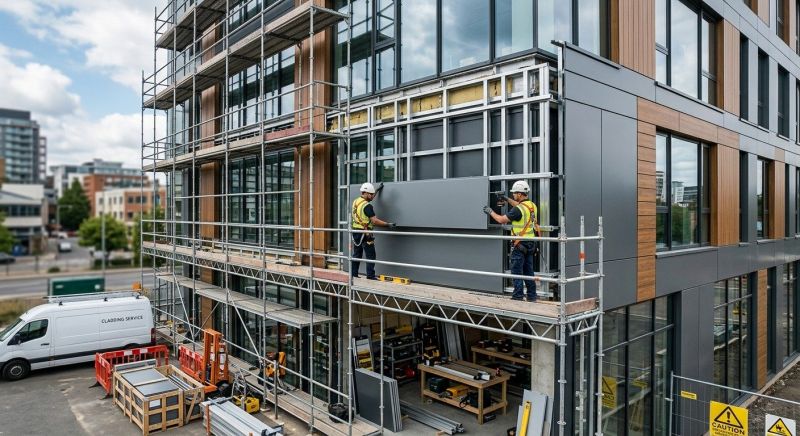
Cladding Replacement in Boston, MA
Cladding replacement services involve removing and updating the exterior covering of a building to improve its appearance, protect it from weather elements, and enhance energy efficiency. This service is commonly requested for projects such as replacing damaged or outdated siding, upgrading to more durable materials, or updating the aesthetic of residential properties like homes and townhouses. Property owners typically want to understand the different types of cladding materials available, the scope of the work involved, and how the replacement can impact the building’s insulation and overall curb appeal before proceeding.
Before requesting cladding replacement, homeowners should consider factors such as the current condition of their existing exterior, the compatibility of new materials with the building’s structure, and any local building codes that may apply. It’s also helpful to evaluate the maintenance requirements of different cladding options and to understand the potential benefits in terms of durability and energy savings. Proper planning and informed choices can ensure the new cladding meets both aesthetic preferences and functional needs for years to come.
Many property owners in Boston, MA look into Cladding Replacement for repairs, replacements, upgrades, and appearance-related improvements.
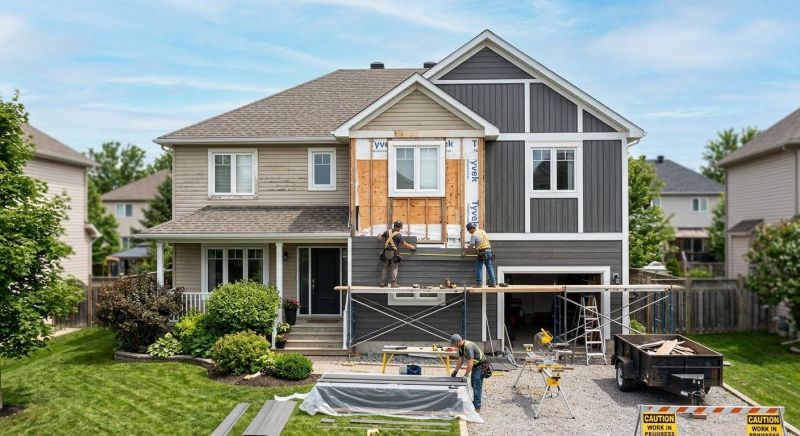
Enhancing Exterior Durability
Cladding replacement helps protect buildings from weather damage and extends their lifespan.
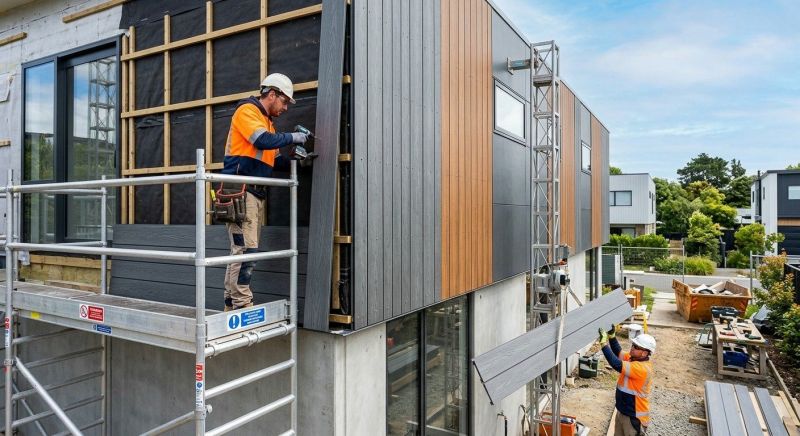
Improving Curb Appeal
Upgrading cladding can refresh the look of homes and commercial properties in boston and nearby areas.
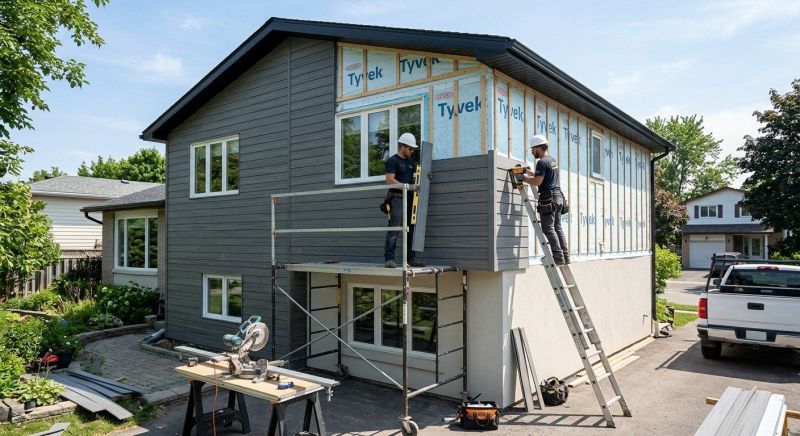
Upgrading Insulation And Efficiency
Replacing cladding can improve energy efficiency by providing better insulation against the elements.
Cladding Replacement in Boston, MA

Cladding replacement services involve removing and updating the exterior covering of a building to improve its appearance, protect it from weather elements, and enhance energy efficiency. This service is commonly requested for projects such as replacing damaged or outdated siding, upgrading to more durable materials, or updating the aesthetic of residential properties like homes and townhouses. Property owners typically want to understand the different types of cladding materials available, the scope of the work involved, and how the replacement can impact the building’s insulation and overall curb appeal before proceeding.
Before requesting cladding replacement, homeowners should consider factors such as the current condition of their existing exterior, the compatibility of new materials with the building’s structure, and any local building codes that may apply. It’s also helpful to evaluate the maintenance requirements of different cladding options and to understand the potential benefits in terms of durability and energy savings. Proper planning and informed choices can ensure the new cladding meets both aesthetic preferences and functional needs for years to come.
Many property owners in Boston, MA look into Cladding Replacement for repairs, replacements, upgrades, and appearance-related improvements.
Common Cladding Replacement Jobs
Cladding Replacement Services - involves removing and replacing exterior cladding to improve durability and appearance.
Vinyl Cladding Replacement - updates worn or damaged vinyl siding with a fresh, long-lasting finish.
Fiber Cement Cladding Replacement - replaces deteriorated fiber cement panels for enhanced weather resistance.
Wood Cladding Replacement - restores or upgrades wood siding to maintain classic style and structural integrity.
Metal Cladding Replacement - updates metal siding for improved corrosion resistance and modern appeal.
Insulated Cladding Replacement - enhances energy efficiency by upgrading to insulated exterior panels.
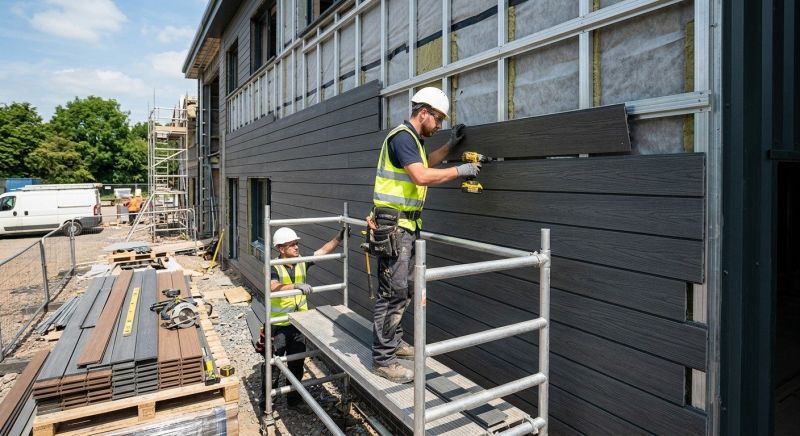
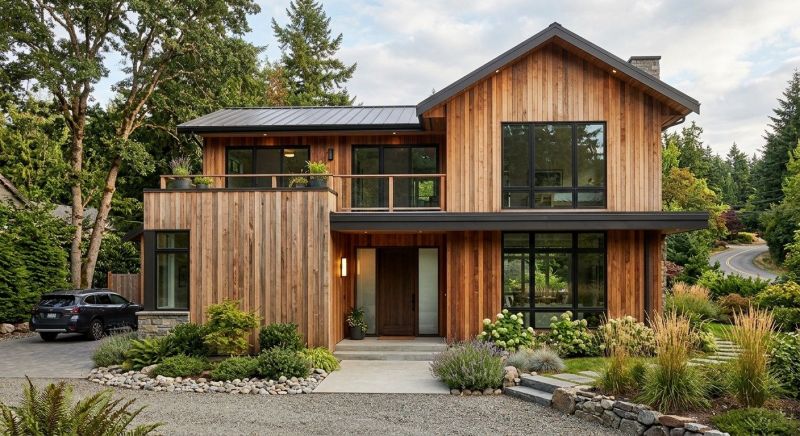
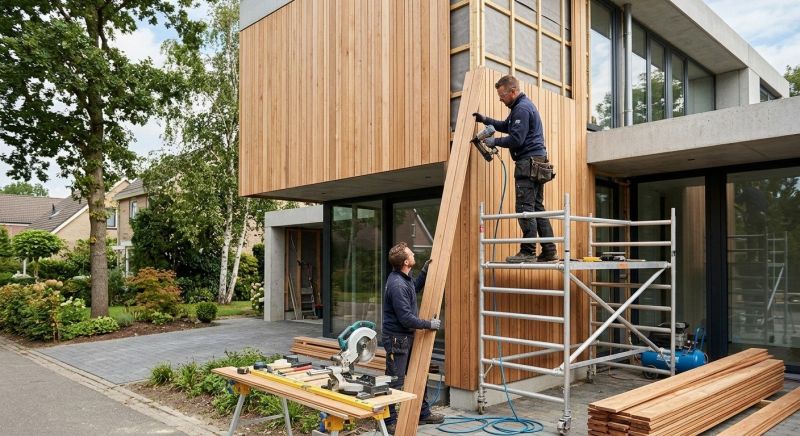
Cladding Replacement Questions
What types of buildings typically need cladding replacement? Cladding replacement is common for residential homes, commercial properties, and historic buildings showing signs of wear or damage.
How can I tell if my building needs new cladding? Signs include visible damage, warping, moisture intrusion, or deterioration of the existing cladding materials.
What are common materials used for cladding replacement? Materials such as vinyl, fiber cement, wood, and metal are frequently used for cladding upgrades and replacements.
What should property owners consider before replacing cladding? It’s important to evaluate the condition of existing cladding, choose suitable materials, and ensure proper installation for durability and appearance.
Request Cladding Replacement in Boston, MA
Use the quote form on this page to share the basics of your project and request more information for the type of work you need.